

Key Takeaways
-
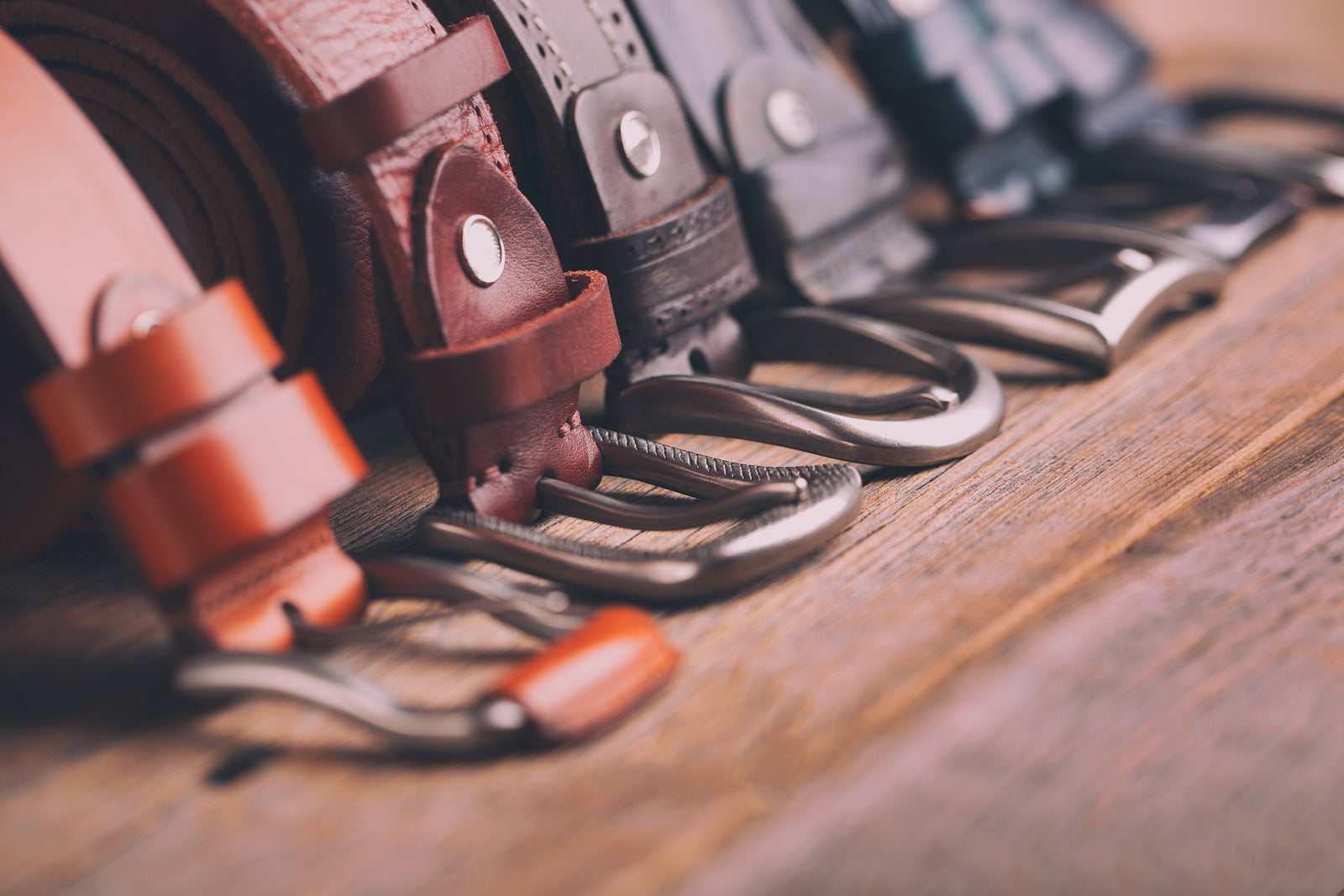
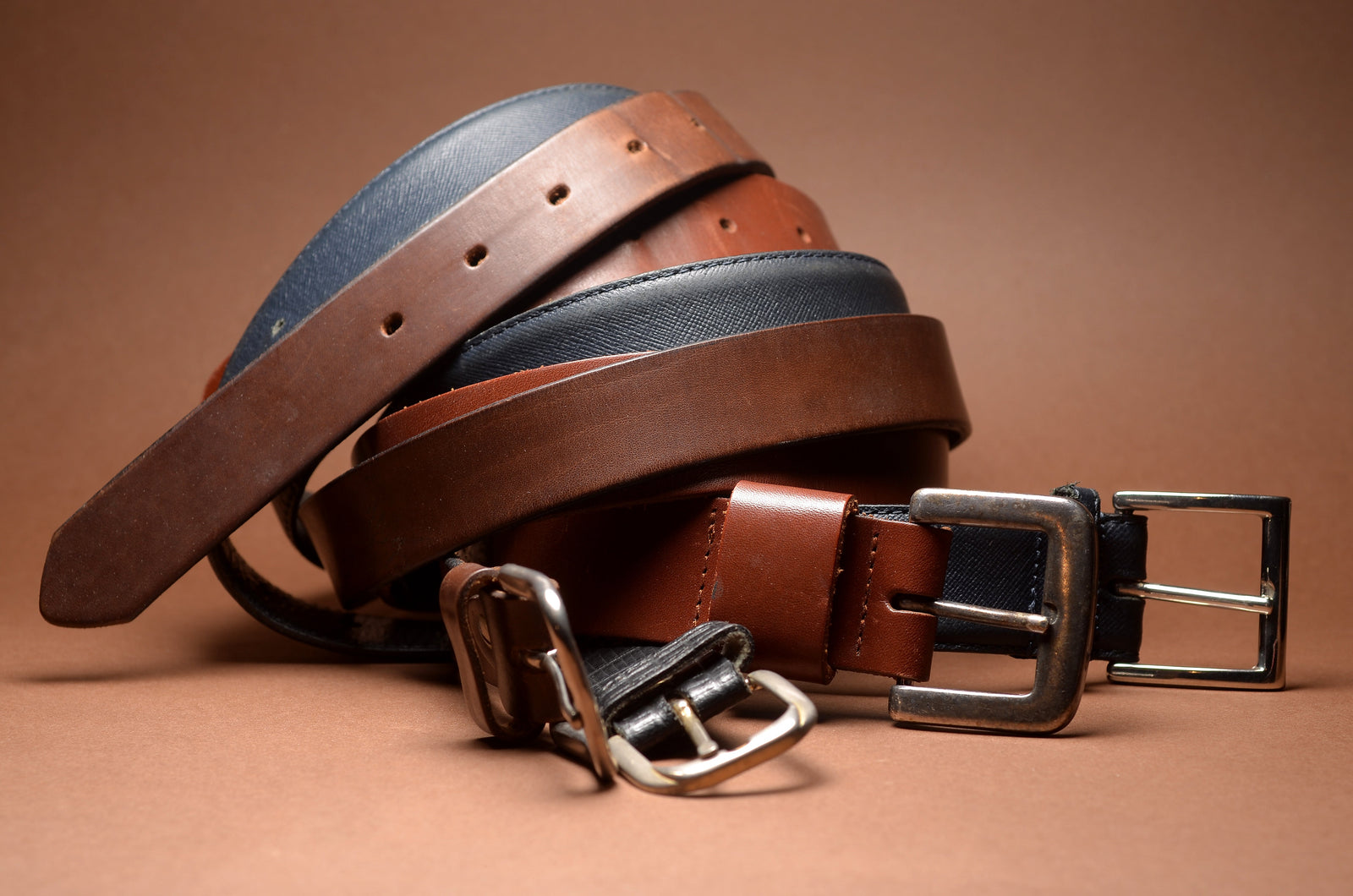
You can buy a USA-made leather gun belt for under $200 without choosing the most expensive or stiffest option.
-
The Hanks Gunner is listed at $89, the 1.5-inch Xtreme at $106, and the 1.5-inch Steel Core at $152 before discounts.
-
The Gunner and Xtreme use single-piece full-grain leather. The Steel Core adds a spring-steel insert between two leather layers.
-
Check belt thickness as well as width against your holster's attachment requirements and your pants' loops.
-
Choose around your everyday routine, fit, and equipment compatibility. Steel reinforcement can be useful, but it isn't necessary for every wearer.
A $200 budget gives you room to choose a substantial American-made leather gun belt. The harder part is deciding how much belt you actually want around your waist all day.
More thickness may appeal when you're looking for support. Yet you still have to thread the strap through your pants, fasten the buckle, and sit comfortably in it. Those details matter just as much after the purchase as they do on a specification sheet.
At Hanks Belts, we'd help you compare the construction with the way you plan to wear it. Spending more makes sense when it buys something useful for your setup.
Here's how our everyday leather and steel-reinforced options compare within that budget.
What Should You Look for in a Leather Gun Belt?
Start with a clearly described construction, dimensions you can check, and a fit guide that explains how the belt is measured. Then compare those details with your holster attachments and usual clothing.
A belt sold for concealed carry should be evaluated as part of that complete arrangement. A substantial strap won't correct every problem caused by incompatible clips, insufficient clearance, or an uncomfortable waistband.
Look beyond the word “heavy-duty.” Ask what the belt is made from, whether it has reinforcement, and how much thickness the attachments need to accommodate.
You should also know where it is manufactured and whether the buckle can be replaced. These are useful facts to establish before deciding which option offers the best value.
One person's ideal everyday belt can feel unnecessarily substantial to someone else. Choose with your own routine in mind instead of treating the largest specification as a universal recommendation.
Understand Everyday Leather and Reinforced Construction
Single-Piece Leather Can Offer Substantial Structure
A leather gun belt doesn't need a metal insert to be a serious option. A substantial single-piece strap can be worth considering when you want support without the bulk of a reinforced construction.
The Gunner and Xtreme both take this approach. Their different leather thicknesses give you options within the same broad construction type.
Keep the terms separate when comparing listings. “Non-reinforced” tells you that a belt lacks a separate reinforcing core. It doesn't automatically mean thin, flimsy, or intended only as a fashion accessory.
Steel Reinforcement Changes the Construction
A steel-core belt combines leather with an internal steel insert. In our Steel Core model, spring steel sits between two layers of full-grain harness leather.
That is a different construction from simply using a thicker single strap. It deserves a separate assessment of bulk, stiffness, and fit.
Think about the problem you're trying to solve before choosing it. If your existing setup lacks sufficient support, additional reinforcement may be worth evaluating. If your main complaint is that your belt feels cumbersome, buying a more substantial design may take you in the wrong direction.
Compare Three USA-Made Gun Belts Under $200
The Gunner, 1.5-inch Xtreme, and 1.5-inch Steel Core all list the USA as their country of manufacture. Their standard listed prices sit below $200 without relying on a promotional code.
|
Feature |
Gunner |
Xtreme |
Steel Core |
|---|---|---|---|
|
Listed Price |
$89 |
$106 |
$152 |
|
Width Compared Here |
1.5 Inches |
1.5 Inches |
1.5 Inches |
|
Approximate Thickness |
.21–.23 Inches |
.23–.25 Inches |
.37 Inches |
|
Construction |
Single-Piece Full-Grain Steerhide |
Single-Piece Full-Grain Steerhide |
Leather Layers With a Steel Insert |
|
Interchangeable Buckle |
Yes |
Yes |
Yes |
Prices are accurate at the time of writing and may change. Thickness varies naturally between hides. This comparison covers the specified models and widths, so check the exact version before ordering.
The Gunner for an Everyday Starting Point
At $89, the Gunner is the least expensive option in this comparison. We position it for work and everyday carry, and it comes with a nickel-free stainless steel buckle secured with Chicago screws.
Start here if you're looking for a substantial leather belt and want to compare your needs against a single-piece option before considering reinforcement.
The lower price doesn't make it the right answer for every setup, but it gives you a useful baseline. You can review the dimensions, available sizes, and fit instructions on ourGunner Belt product page.
The Xtreme for More Leather Thickness
The $106 Xtreme offers a thicker single-piece strap while keeping steel reinforcement out of the construction. Its hardware includes a roller buckle and removable Chicago screws.
Consider it when you want to evaluate additional leather thickness without moving to the Steel Core. The $17 difference from the Gunner buys a different specification, not a guarantee that every wearer will prefer it.
Check the available clearance in your attachments before choosing. A modest thickness increase can still matter when a clip or loop already fits snugly.
The Steel Core for a Reinforced Option
At $152, the Steel Core sits below the budget ceiling while offering the reinforced construction described above. It is also substantially thicker than the other two models here.
Choose it because that construction suits your requirements, rather than because you have money left in your budget. Its stiffness is part of the buying decision, and a compatible fit remains essential.
Before ordering, read the dimensions and break-in information on ourSteel Core Belt product page.
Check Holster Compatibility Before You Choose
Width Is Only One Measurement
A holster attachment described as accepting a 1.5-inch belt still needs enough room for the strap's thickness. Check both measurements in the manufacturer's guidance.
Don't assume that every belt of the same width fits every attachment equally well. This matters when moving between a conventional single-piece strap and a much thicker reinforced model.
Your pants' loops need checking, too. They must accommodate the same strap comfortably, without making dressing a struggle.
Keep the Attachment's Requirements in View
Look at how the attachment is meant to engage with the belt. Confirm that it fits and closes as the manufacturer specifies, without forcing or modifying parts to accommodate the leather.
If the manufacturer's dimensions aren't clear, ask before ordering. Knowing the holster model and attachment type gives you a better starting point than guessing from photographs.
Use an empty holster for initial clothing and belt fit checks, following the manufacturer's instructions. The aim here is to establish compatibility and comfort, not to compensate for an equipment mismatch.
Measure for the Way You Actually Wear the Belt
Concealed-carry clothing can change the space available around your waistband. An inside-the-waistband holster occupies space within the pants, while an outside-the-waistband arrangement has different fit considerations.
Avoid turning that difference into a universal rule about adding a fixed number of inches. Follow the instructions for your chosen belt and account for your usual arrangement when assessing fit.
If you already have a belt that fits comfortably with the same clothing and setup, use it as a reference. Measure from where the leather folds around the buckle to the hole you normally use, excluding the buckle itself.
Compare that distance with the chosen model's diagram and chart. Don't rely only on your pants label or a size stamped on a different brand's belt.
You want room to make reasonable adjustments without fastening at the limit of the available holes. An excessively long tail can be inconvenient as well, particularly when it competes for space with other attachments.
If you're unsure, tell us how you measured and which model you're considering. That helps us interpret the numbers rather than layering another sizing shortcut onto an uncertain starting point.
Think About All-Day Comfort Before Choosing More Stiffness
You may spend more time driving, sitting at a desk, or bending during ordinary tasks than standing still. Judge the belt against that routine.
Consider the buckle's position, how much material overlaps at the front, and whether the strap passes through the keeper comfortably. The way everything fits together can affect how convenient the belt is to put on and wear.
Extra structure can be helpful when it addresses a real need. It can also feel like unnecessary bulk if a less substantial option already suits your arrangement.
Don't choose by body size alone. A larger wearer doesn't automatically need a steel insert, and a smaller wearer isn't automatically better served by the thinnest option.
Leather may settle to your shape with ordinary wear. That process doesn't make an incompatible holster clip fit correctly or turn an incorrectly sized belt into the right length. Separate normal initial firmness from a clear fit problem.
Know What Break-In Means for Your Choice
Read the break-in information before deciding between constructions. Our Steel Core listing specifically notes that fastening and passing the new strap through its keeper can require effort initially.
That's a practical detail to weigh if you're used to a thin, flexible belt. It shouldn't come as a surprise after the package arrives.
Think about your preferences honestly. Some people are happy to accommodate a more substantial construction. Others would rather choose a simpler strap that better matches their daily habits.
Don't try to speed up break-in with soaking, direct heat, or improvised alterations. Follow the product's care guidance and contact us if the fit seems wrong.
A belt shouldn't have to become something fundamentally different before it suits you. Choose a construction whose characteristics you understand and are comfortable accepting.
Check the Manufacturing Details That Matter to You
If buying a USA-made gun belt is part of your decision, look for manufacturing information on the specific product. A company's address or branding doesn't give you every detail about an individual item.
For the models compared here, our specifications identify the country of manufacture as the USA. The leather descriptions provide further information about the material, so read those alongside the dimensions and construction.
Be precise about what you want to know. Where the belt is manufactured and where each component originates are separate questions. Don't assume a manufacturing statement answers every question about hardware sourcing.
If you have a particular sourcing requirement, ask us about the exact model before placing your order. That lets you make the purchase using the information that matters to you, rather than filling in gaps from a photograph or product name.
Work Out Which Option Offers You the Best Value
All three models fit the stated budget, so the next question is what you gain by moving between them. Compare the actual difference in construction rather than assuming a higher price means a better personal fit.
At the listed prices, the Xtreme costs $17 more than the Gunner. Moving from the Xtreme to the Steel Core adds $46. Those differences help frame the decision, but the more useful question is whether the change addresses your needs.
Keep these points beside your shortlist:
-
The construction you want and the reason you're considering it.
-
Your holster attachment's width and thickness requirements.
-
Fit with the pants and shirts you normally wear.
-
Buckle comfort, adjustment room, and any break-in expectations.
-
Current price, availability, and warranty terms.
Replaceable hardware is worth considering as part of value. These models use Chicago screws and interchangeable buckles, but a replacement still needs to suit the strap and fastening arrangement.
Our 100-year warranty covers materials and construction under intended wear and use, with exclusions. It isn't a promise that every belt suits every arrangement, and normal shaping to your body isn't automatically a defect.
You don't need to spend the full $200 to make a considered purchase. If the less expensive construction meets your needs, the remaining budget doesn't require a justification.
Make Your Final Checks Before Ordering
Read the exact product listing once more, especially if you've compared several widths or similar model names. Confirm the price, chosen size, and current color availability.
Keep the relevant attachment dimensions nearby while doing that final check. It is easier to establish compatibility before ordering than to discover later that a strap is too thick for your equipment.
After the belt arrives, check the fit before making permanent changes. Look over the hardware, assess the adjustment range, and notice how it feels with your normal clothing.
Then bring the choice back to the original goal: a USA-made leather gun belt that fits your equipment, feels manageable through your day, and makes sense within your budget. The right amount of structure is the amount that suits your setup.
Frequently Asked Questions
Which USA-Made Leather Gun Belts Cost Under $200?
At the time of writing, Hanks lists the Gunner at $89, the 1.5-inch Xtreme at $106, and the 1.5-inch Steel Core at $152. All three list the USA as their country of manufacture. Check current pricing and your selected model's specifications before ordering.
Do I Need a Steel-Core Leather Belt for Concealed Carry?
Not necessarily. A substantial single-piece leather belt may suit your requirements. Consider steel reinforcement when its construction addresses a specific support need, and evaluate its additional thickness and stiffness alongside compatibility and comfort. It isn't automatically the best choice for every everyday arrangement.
What Is the Difference Between the Gunner and Xtreme?
Both use single-piece full-grain steerhide, while the Xtreme has a higher listed leather thickness. In the 1.5-inch versions compared here, the Gunner is approximately .21–.23 inches thick and the Xtreme approximately .23–.25 inches. Compare fit and hardware as well as those measurements.
Will a 1.5-Inch Gun Belt Fit Any 1.5-Inch Holster Attachment?
Don't assume it will. Width is only part of compatibility, since the attachment must also accommodate the strap's thickness and engage correctly. Check the holster manufacturer's requirements against the exact belt specifications, particularly when considering a thicker reinforced construction.
Should I Buy the Stiffest Gun Belt Within My Budget?
Choose enough structure for your needs while considering everyday comfort and equipment fit. The stiffest option may add bulk or fastening effort you don't want. A less expensive belt can offer better value for you if its construction suits your arrangement and routine.